
The Rise of Scroll-Less Web Design: When Less Movement Creates More Impact
For years, web design has followed a simple rule: keep users scrolling.
Infinite scroll, long-form landing pages, and content-heavy layouts have dominated the digital space. But recently, a different approach has started to gain traction: scroll-less (or low-scroll) web design.
Instead of guiding users down a long page, this approach focuses on delivering key information within a limited viewport, often using interactions, transitions, or structured layouts to reduce excessive scrolling.
So, is scrolling out? Not exactly. But in the right context, reducing it can dramatically improve user experience.
What is Scroll-Less Design?
Scroll-less design doesn’t literally mean zero scrolling-it means minimizing unnecessary vertical movement.
These designs often:
Fit core content within one or two screen views
Use sections, tabs, or interactions instead of long scrolls
Prioritize clarity and immediacy over exploration
Think of it as designing for focus instead of flow.
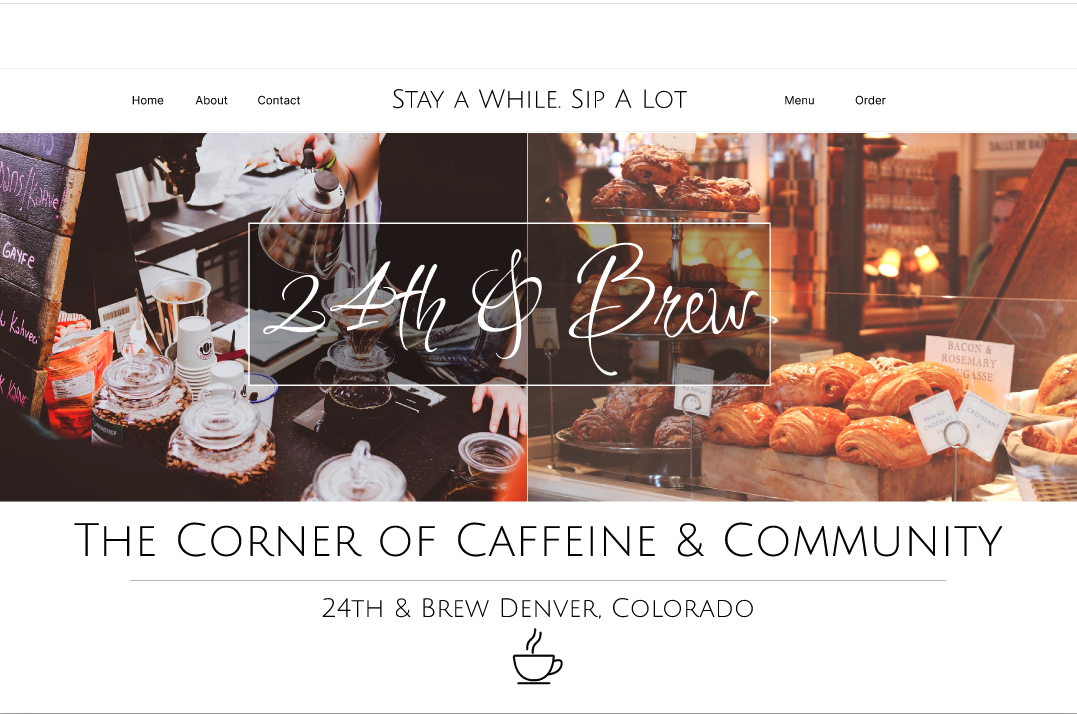
Why Designers Are Rethinking the Scroll
Faster Decision-Making
Users don’t always want to explore-they want answers.
A scroll-less layout surfaces:
Key messaging
Calls to action
Essential Information
2. Stronger Visual Impact
When everything is visible at once, design has to work harder and better.
This often leads to:
Cleaner layouts
Bolder typography
More intentional hierarchy
3. Better for Controlled Experiences
Scroll-less design works especially well when:
You’re telling a short, focused story
You want users to take a specific action
You’re showcasing a product or service with clarity
When Scroll-Less Designs Work Best
This approach isn’t universal. It shines in:
Landing pages with a single goal
Portfolio sites
Product showcases
SaaS feature highlights
Training or onboarding interfaces
If your content is simple and focused, less scrolling can create a better experience.
When It Doesn’t Work
Trying to force a scroll-less design into the wrong project can backfire.
Avoid it when:
You have a large amount of content
SEO relies on long-form pages
Users expect to browse or explore deeply
In these cases, scrolling isn’t the problem; poor structure is.
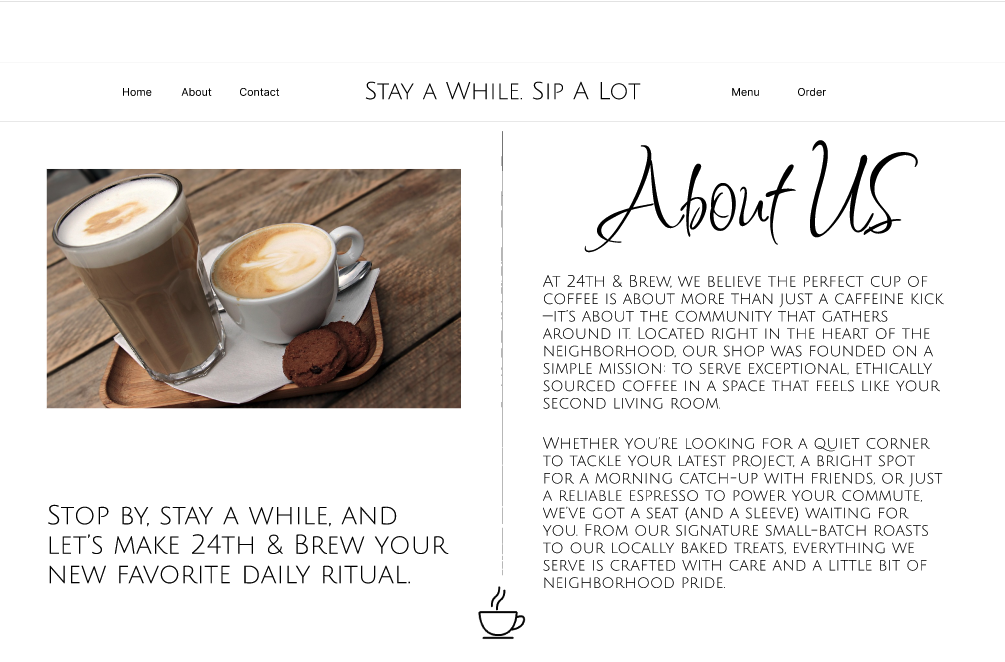
Scroll vs. No Scroll: It’s Not a Trend, It’s a Tool
Good design isn’t about following trends-it’s about choosing the right approach for the goal.
Scroll-less design is powerful because it:
Removes friction
Focuses attention
Speeds up user decisions
But like any tool, it only works when used intentionally.
Final Thoughts
The question isn’t “Should you eliminate scrolling?”
Sometimes the answer is a long, immersive page.
Other times, it’s a clean, focused, scroll-light experience.
The best designers know the difference-and design accordingly.
